Quick answer
A swimwear quality control checklist should cover product specifications, fabric performance, pattern and fit, cutting accuracy, seam stretch, elastic tension, lining, cups, measurements, color, trims, labels, packing, and final inspection. The most important QC risks are poor fit, see-through fabric, weak recovery, seam popping, uneven elastic, color variation, and incorrect labeling. Shunwang supports swimwear and activewear production with structured sampling, production management, and inspection steps for B2B buyers.
Why swimwear QC needs special attention
Swimwear is small in size but complex in performance. Customers stretch it, swim in it, sit in it, wash it, and expect it to look good on the body. A defect that seems minor during production can become a major customer complaint after use. Common problems include transparent fabric, twisted lining, seam breakage, poor bust support, rolling waistbands, uneven leg openings, and color bleeding.
For brands, quality control starts before bulk production. The best way to reduce risk is to confirm technical details during sampling and then inspect the same details during cutting, sewing, finishing, and packing.
Pre-production QC checklist
- Approved tech pack with measurement chart, tolerance, fabric, trims, labels, and packaging.
- Approved fit sample or size-set sample, especially for plus size swimwear.
- Approved pre-production sample using correct fabric, color, lining, elastic, cups, and labels.
- Confirmed fabric width, weight, composition, color, hand feel, and stretch direction.
- Confirmed artwork, print scale, color standard, and placement.
- Confirmed care label content, size label, main label, and hangtag information.
Fabric and material inspection
Fabric should be checked before cutting. Important items include color consistency, fabric defects, stretch recovery, hand feel, opacity after stretch, print quality, and lining compatibility. Elastic should be checked for width, firmness, recovery, and color. Cups, rings, sliders, zippers, and other trims should match the approved sample.
For light colors and plus size styles, opacity testing is especially important. A swimsuit may look acceptable flat on the table but become transparent when stretched on the body.
Cutting and sewing inspection
Cutting accuracy affects fit. If panels are off-grain or uneven, the final garment may twist or pull. During sewing, inspectors should check seam tension, skipped stitches, needle holes, elastic placement, lining attachment, strap length, cup position, and overall symmetry.
Stretch seams must be tested by hand and, when needed, with more formal methods. A seam that looks clean but breaks under stretch is not acceptable for swimwear. The production team should also monitor needle selection and machine settings to reduce fabric damage.
Final inspection points
| Inspection area | What to check |
|---|---|
| Measurement | Garment measurements against approved tolerance. |
| Appearance | Cleanliness, symmetry, thread trimming, stains, shade variation. |
| Construction | Seam strength, elastic tension, lining, cups, straps, leg openings. |
| Function | Stretch recovery, comfort, support, closure function if applicable. |
| Branding | Correct labels, hangtags, size stickers, barcode, and care content. |
| Packing | Correct folding, polybag, carton mark, quantity, and assortment. |
How buyers can make QC easier
Factories can inspect better when the buyer provides clear standards. Include measurement tolerance, inspection points, acceptable defect examples, packaging photos, label files, and carton marks. Approve a physical pre-production sample when possible and keep it as the standard for bulk inspection.
Buyers should also communicate the target sales channel. Products for e-commerce, Amazon, boutiques, department stores, resort shops, or private label wholesale may have different packaging, labeling, and compliance needs.
Shunwang's production advantage
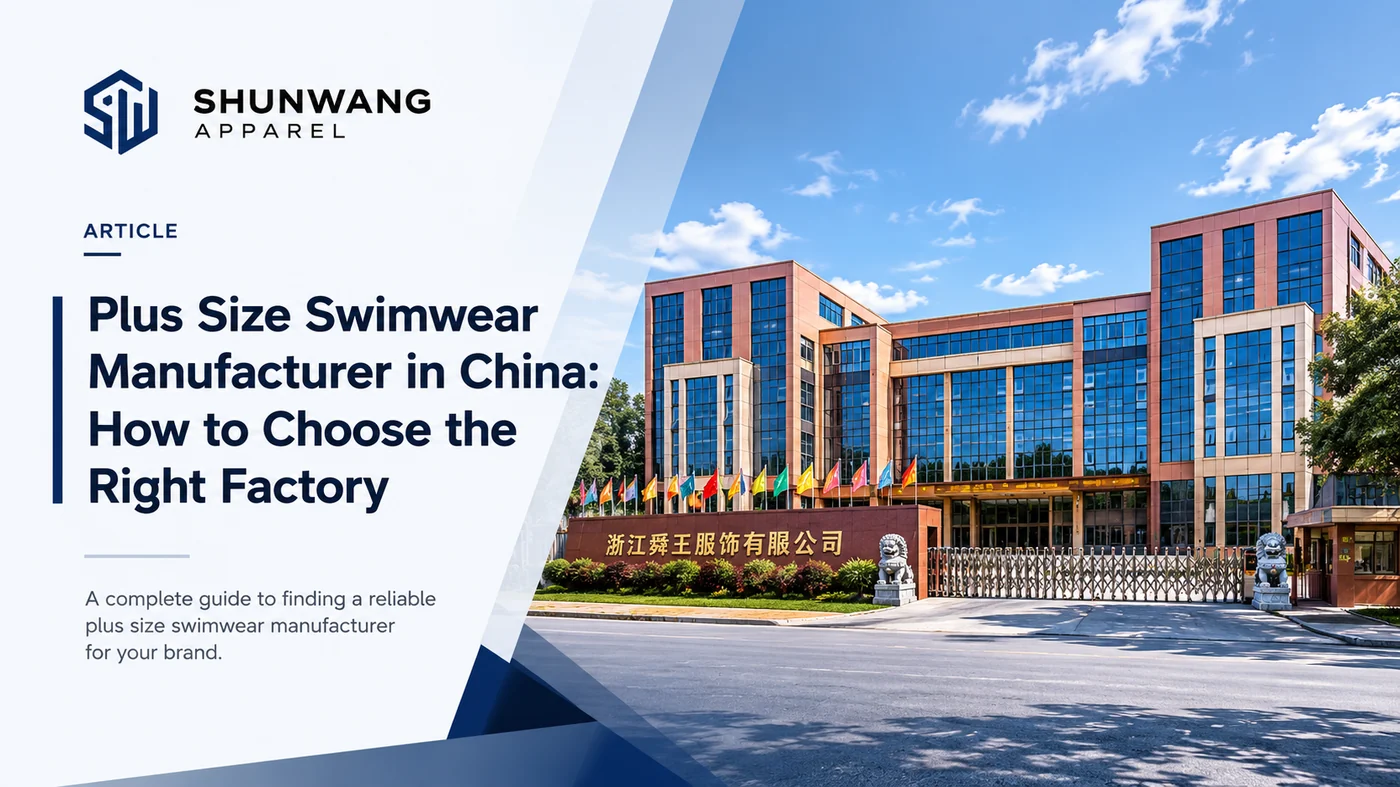
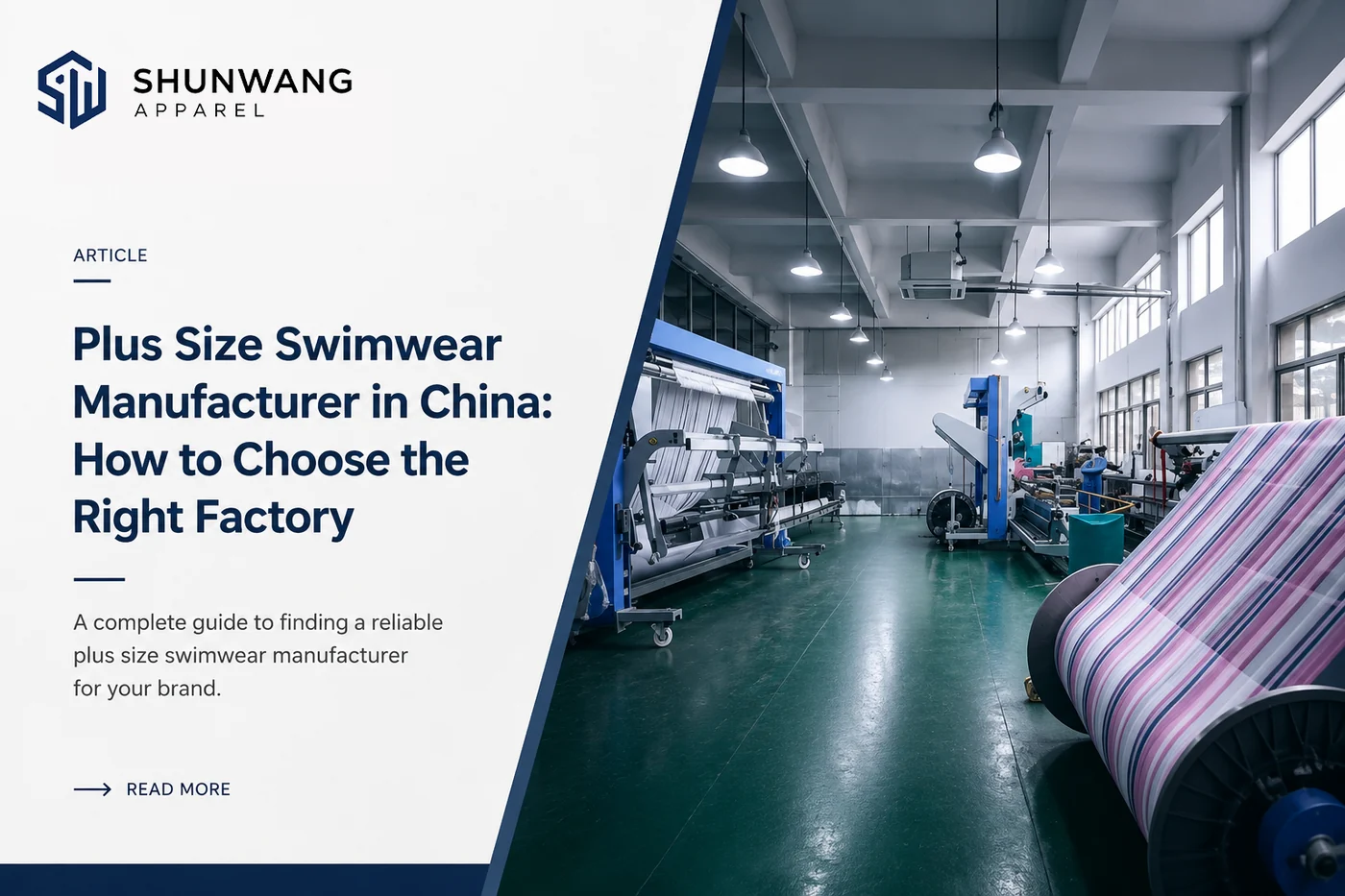
Shunwang's factory profile includes a 15,000 sqm production base, 233 employees, and 300+ automated machines. For buyers, this supports more stable production control than a fragmented workshop model. The team can help manage sampling, bulk production, and inspection for swimwear and related activewear categories.
FAQ
What are the most common swimwear defects?
Common defects include poor fit, transparent fabric, weak seam stretch, uneven elastic, twisting lining, shade variation, incorrect labels, and poor packing.
Why is a pre-production sample important?
A pre-production sample confirms the final fabric, color, trims, labels, construction, and measurements before bulk production starts. It becomes the reference standard for inspection.
How should plus size swimwear be inspected?
Plus size swimwear should be inspected for fit, support, opacity, elastic comfort, strap strength, seam recovery, and measurement consistency across sizes.
Can Shunwang follow buyer inspection standards?
Yes. Buyers can provide their own QC checklist, measurement tolerance, AQL standard, packing method, and labeling requirements for Shunwang to review and implement.
Start your OEM/ODM project
Need a swimwear manufacturer with structured QC? Send Shunwang your tech pack, approved sample requirements, inspection checklist, and order plan. We can help build a production workflow that protects your brand quality.